


-

Add: HeBei ShengShi HongBang Cellulose Technology CO.,LTD.
-

Email
13180486930@163.com -

CONTACT US
+86 13180486930



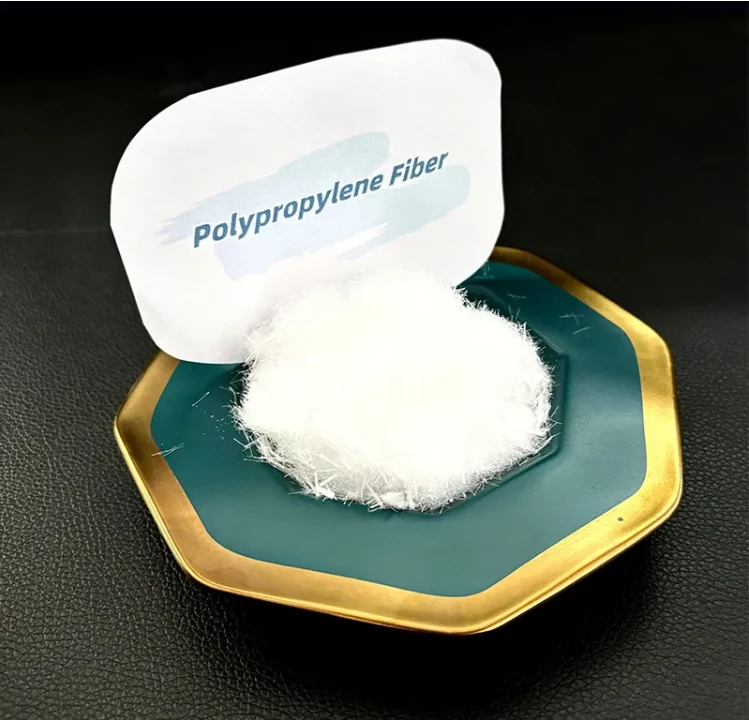
When it comes to enhancing the durability and strength of concrete, polypropylene fiber is an indispensable material. Known for its lightweight, corrosion-resistant properties, polypropylene fiber is widely used in construction to reinforce concrete, making it stronger, more durable, and more flexible. The addition of polypropylene fiber improves the overall performance of concrete by reducing cracking, improving freeze-thaw resistance, and providing better impact resistance. Whether you're working on large-scale infrastructure projects or residential buildings, incorporating polypropylene fiber into your concrete mix ensures high-quality, long-lasting results. Polypropylene Fiber in Concrete: Revolutionizing the Industry Polypropylene fiber in concrete is becoming a standard practice for improving the structural integrity of concrete mixes. When added to concrete, polypropylene fiber in concrete helps reduce the risk of microcracking, which can occur due to shrinkage or thermal stresses. The fibers disperse evenly throughout the mix, creating a more uniform and cohesive material. As a result, polypropylene fiber in concrete enhances the concrete’s durability and toughness, especially in high-stress environments like industrial flooring, highways, and bridges. With the increasing demand for sustainable construction, polypropylene fiber in concrete offers an affordable, eco-friendly solution for improving material performance. Find Quality Polypropylene Fiber for Sale Are you looking for polypropylene fiber for sale ? Look no further! We offer high-quality polypropylene fiber that meets the needs of various industries, especially in construction. Whether you’re looking to reinforce concrete, improve asphalt, or enhance other building materials, we have the right polypropylene fiber for sale for your project. Available in various grades and specifications, our polypropylene fiber products are designed to offer excellent performance, ease of use, and long-lasting results. Browse our selection of polypropylene fiber for sale and find the perfect match for your needs today! Understanding the Factors Behind Polypropylene Fiber Price The polypropylene fiber price can vary based on several factors, including the quality of the fiber, the quantity purchased, and the supplier. Typically, polypropylene fiber price is determined by the raw materials used, the manufacturing process, and the specific properties of the fiber. While polypropylene fiber price may differ between suppliers, investing in high-quality fibers ensures long-term benefits in terms of strength and durability. If you’re looking for the best value for your project, we offer competitive polypropylene fiber price s without compromising on quality. Contact us to discuss your requirements and get the most cost-effective solution for your concrete reinforcement needs. Why Choose Our Polypropylene Fiber for Your Construction Needs? Our polypropylene fiber products are carefully manufactured to meet the highest standards of quality and performance. Whether you need polypropylene fiber for sale in bulk for a large construction project or in smaller quantities for a specialized application, we can cater to your specific needs. With outstanding benefits like increased crack resistance, reduced shrinkage, and enhanced concrete durability, our polypropylene fiber is the perfect choice for improving the structural integrity of concrete. We offer highly competitive polypropylene fiber price s, ensuring that you get the best value for your investment. Trust us to provide top-quality polypropylene fiber for all your construction needs. Polypropylene Fiber FAQs What is polypropylene fiber used for in concrete? Polypropylene fiber in concrete is primarily used to enhance the strength and durability of the material. It helps prevent cracking by controlling shrinkage, improving impact resistance, and increasing freeze-thaw durability. By distributing evenly throughout the concrete mix, polypropylene fiber provides reinforcement that makes the concrete more resistant to stress and wear, resulting in longer-lasting structures. Where can I buy polypropylene fiber for sale? We offer a wide selection of polypropylene fiber for sale that meets the highest standards of quality, ensuring you get the best product for your concrete reinforcement needs. Browse our collection today and take advantage of our competitive prices. How does polypropylene fiber improve concrete? Polypropylene fiber improves concrete by enhancing its structural properties. It helps prevent cracking due to shrinkage, reduces the likelihood of surface wear, and improves the concrete’s resistance to water damage. Additionally, polypropylene fiber increases the material’s ability to withstand thermal and mechanical stresses, making it ideal for a wide range of applications in construction. What factors affect the polypropylene fiber price? The polypropylene fiber price is influenced by factors such as the grade of the fiber, the quantity purchased, and the supplier. High-quality polypropylene fiber designed for heavy-duty applications may have a higher price, while bulk purchases may lower the price per unit. We offer competitive polypropylene fiber price s, ensuring you get the best quality for your budget. Contact us for customized pricing based on your needs. Why should I choose your polypropylene fiber for my project? Our polypropylene fiber is designed for superior performance, offering outstanding crack resistance, durability, and flexibility in concrete. Whether you need polypropylene fiber for sale for a large construction project or a small-scale application, our products meet the highest industry standards. We provide polypropylene fiber at competitive prices, ensuring that you receive great value without compromising on quality. Trust us to deliver the best solution for your concrete reinforcement needs.
- 40000tons

Production
- 20+years

Experience
- 5000+㎡

Acreage

-
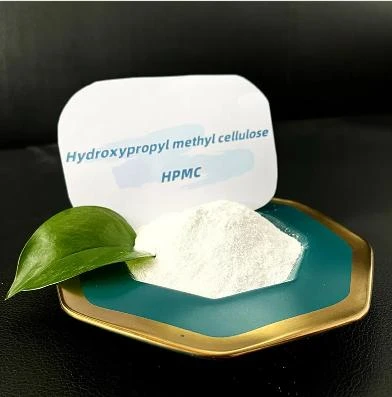
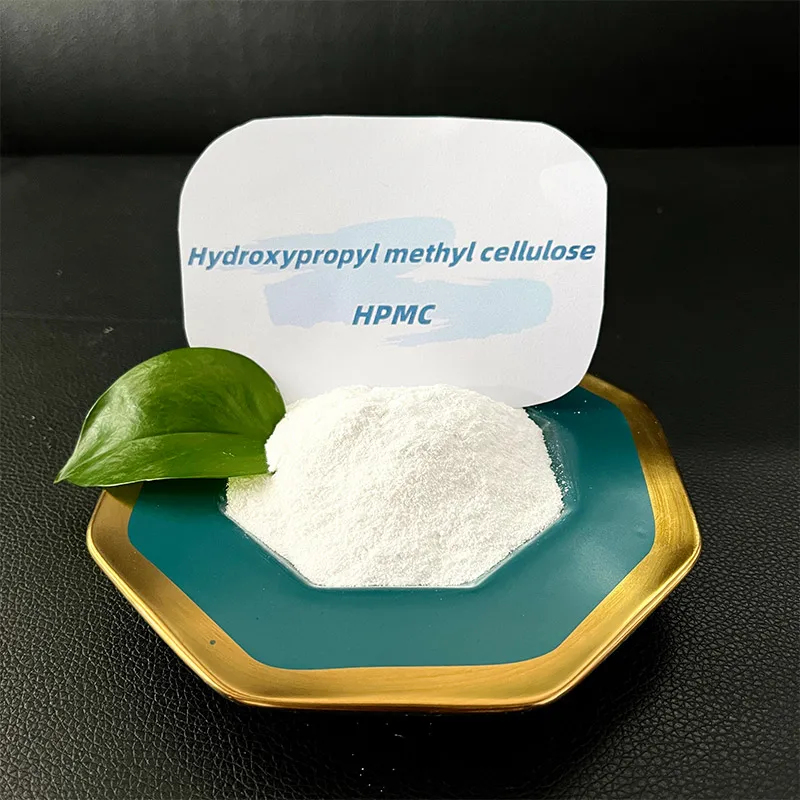
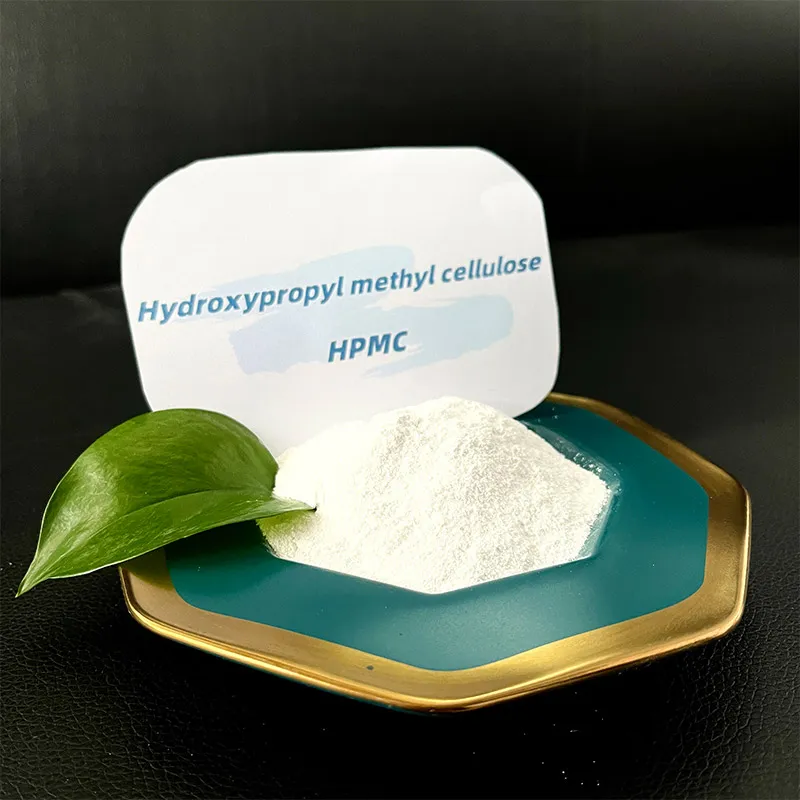
In the world of pharmaceuticals and nutraceuticals, excipients play an essential role in the formulation of drugs, enhancing both their stability and efficacy. Among these, Hydroxypropyl Methylcellulose (HPMC) stands out for its versatile properties and broad range of applications. This article delves into the distinctive characteristics, production processes, and essential benefits of HPMC as an excipient, providing invaluable insights for manufacturers and formulators who aim to leverage its unique attributes for product development. Hydroxypropyl Methylcellulose is a semi-synthetic, inert, and viscoelastic polymer, derived from cellulose. It is renowned for its exceptional ability to modify the viscosity of solutions and its role as a stabilizer, thickener, and film former. These properties make HPMC a preferred choice in the pharmaceutical industry, where it is employed not only in tablet production but also in controlled-release formulations, ophthalmic preparations, and topical agents. The production of HPMC involves the treatment of cellulose with sodium hydroxide followed by a treatment with methyl chloride and propylene oxide. This process yields a complex and adaptable product that can be tailored to meet the specific demands of various drugs, enhancing their performance in ways few other excipients can. The critical control over the degree of substitution and the molecular weight distribution allows manufacturers to customize the viscosity and gel temperature, thus optimizing the stability and release profiles of pharmaceutical formulations. What sets Hydroxypropyl Methylcellulose apart is its role in controlled release mechanisms . As an integral component of hydrophilic matrix systems, HPMC controls the release rate of active pharmaceutical ingredients through a sophisticated erosion and diffusion process. When in contact with bodily fluids, it hydrates rapidly to form a gel layer that regulates drug diffusion and subsequent dissolution. This unique characteristic is particularly advantageous for sustained and controlled-release tablets, providing a predictable pharmacokinetic profile and enhancing patient compliance. hydroxypropyl methylcellulose excipient In topical applications, HPMC serves as an effective film-former, creating a protective layer that not only enhances the delivery of therapeutic agents but also provides moisturizing benefits. Its hypoallergenic and non-toxic nature makes it an optimal choice for dermatological products, ensuring safety and efficacy even in sensitive applications. From a formulators’ perspective, the versatility of Hydroxypropyl Methylcellulose extends into the nutritional supplement industry. It plays a crucial role in the encapsulation of herbal extracts and vitamins, providing a plant-based alternative to gelatin capsules. This property aligns with the increasing consumer demand for vegetarian and vegan products, positioning HPMC as a forward-thinking solution for sustainable product lines. Quality consistency in HPMC production is paramount. Rigorous adherence to Good Manufacturing Practices (GMP) ensures that each batch meets stringent quality standards. Manufacturers who prioritize transparency and reliability in their supply chain build trust with formulators, ultimately impacting the success of end products in the market. Through precise control of process variables and a commitment to quality assurance protocols, the integrity of HPMC as a high-grade excipient is maintained, fostering trust throughout the industry. For formulators exploring innovative ways to augment drug delivery and product integrity, Hydroxypropyl Methylcellulose presents itself as a robust ally. Its adaptability in formulation design, coupled with its favorable safety profile, positions it as a core material in the advancement of both pharmaceutical and nutraceutical applications. When selecting excipients, understanding the inherently unique properties of HPMC could be a game-changer, offering an avenue to superior product performance, enhanced patient experiences, and a competitive edge in the ever-evolving landscape of health and wellness products.
-
In the realm of ocular health, the challenge of maintaining eye moisture has garnered immense attention. With technological advancements and extensive research in ophthalmology, solutions like Retained HPMC Lubricant Eye Drops have emerged as vital tools in alleviating discomfort associated with dry eyes. These eye drops, known for their efficacy, cater to a growing demographic of individuals grappling with hydration issues in their eyes. Hydroxypropyl methylcellulose (HPMC), the core component of these lubricant eye drops, embodies a meticulously engineered formula that mirrors the natural composition of the tear film, providing immediate relief and restoring moisture balance. Individuals with conditions such as keratoconjunctivitis sicca (dry eye syndrome) or those facing temporary dryness from environmental triggers find solace in the application of Retained HPMC Lubricant Eye Drops. The viscosity of HPMC is pivotal; it ensures that each drop forms a stable, soothing barrier on the surface of the eye, thereby elongating the moisture retention period. Experience underscores the central importance of these drops, particularly evident in the myriad user testimonials spotlighting their transformative effects. It’s not merely about instantaneous relief; users have reported sustained benefits when incorporated into their routine. Trust emerges not just from these anecdotal experiences but also through clinical studies. According to a prominent study conducted in the Journal of Ocular Pharmacology and Therapeutics, consistent use of HPMC-based lubricants significantly improved comfort levels for individuals, offering tangible evidence of their capabilities. Expertise in the formulation of eye care products like Retained HPMC Lubricant Eye Drops is exemplified by the meticulous refinement of such solutions. Researchers and developers in the field of pharmaceutical sciences focus heavily on not only the efficacy of these solutions but also their safety profiles. The balanced pH, isotonic nature, and preservation-free options further cement these drops as a benchmark in ocular therapy. retaine hpmc lubricant eye drops This expertise is crucial, as the ocular surface is delicate, requiring precise formulations that support rather than hinder natural tear production and distribution. The process entails rigorous testing phases, ensuring that Retained HPMC Lubricant Eye Drops meet and exceed medical standards . Regulatory endorsements from institutions such as the FDA further underline the authoritative stance these drops hold in the market. Trustworthiness is further bolstered by endorsements from ophthalmologists who frequently prescribe these drops to patients suffering from various degrees of eye dryness. The recommendation from eye care professionals not only inspires trust but also validates the scientific rigor involved in their development. The alignment between patient experiences and clinical evaluations creates a holistic narrative that underscores the efficacy of Retained HPMC Lubricant Eye Drops. Navigating the world of dry eye solutions requires a blend of personal experience, clinical expertise, authoritative guidance, and deep-seated trust. Retained HPMC Lubricant Eye Drops embody these aspects, presenting themselves as a paradigm of innovation and reliability. As ocular health continues to gain prominence, solutions that offer both scientific credibility and genuine relief, such as Retained HPMC Lubricant Eye Drops, are indispensable in the pursuit of optimal eye health.
advantages
-

200000 Viscosities
Excellent product
We can produce pure products up to 200,000 viscosities
-

40000 tons
High yield
We don’t stop production all year round, and the annual output can reach 40,000 tons
-

24 hours
Quality service
We provide 24-hours online reception service, welcome to consult at any time
———— Inquiry Form
Schedule A services
-
 kizuia_plasta
Oct . 25, 2025
In today’s fast-paced manufacturing and construction industries, the demand for sustainable and cost -
 fibra_de_polipropileno_para_hormigon
Oct . 25, 2025
Methyl hydroxyethyl cellulose (MHEC) is a versatile compound primarily used in the construction , ph -
 ether_d_amidon_de_chine
Oct . 25, 2025
Hydroxypropyl Methylcellulose (HPMC) is a highly versatile and reliable compound used across various


